LINA KUSAITE
“I believe that the limitation of human perception about self, reflects in our relations and behavior towards nature, each other and in the end, ourselves. How can we re-see, re-experience or re-understand ourselves? Dropping the concept of a human as a singular individual form and experiencing ourselves as a part of, or a particle within, larger organisms; an inseparable part of a collective or social life, or maybe even energy that is an inseparable part of the universe.”
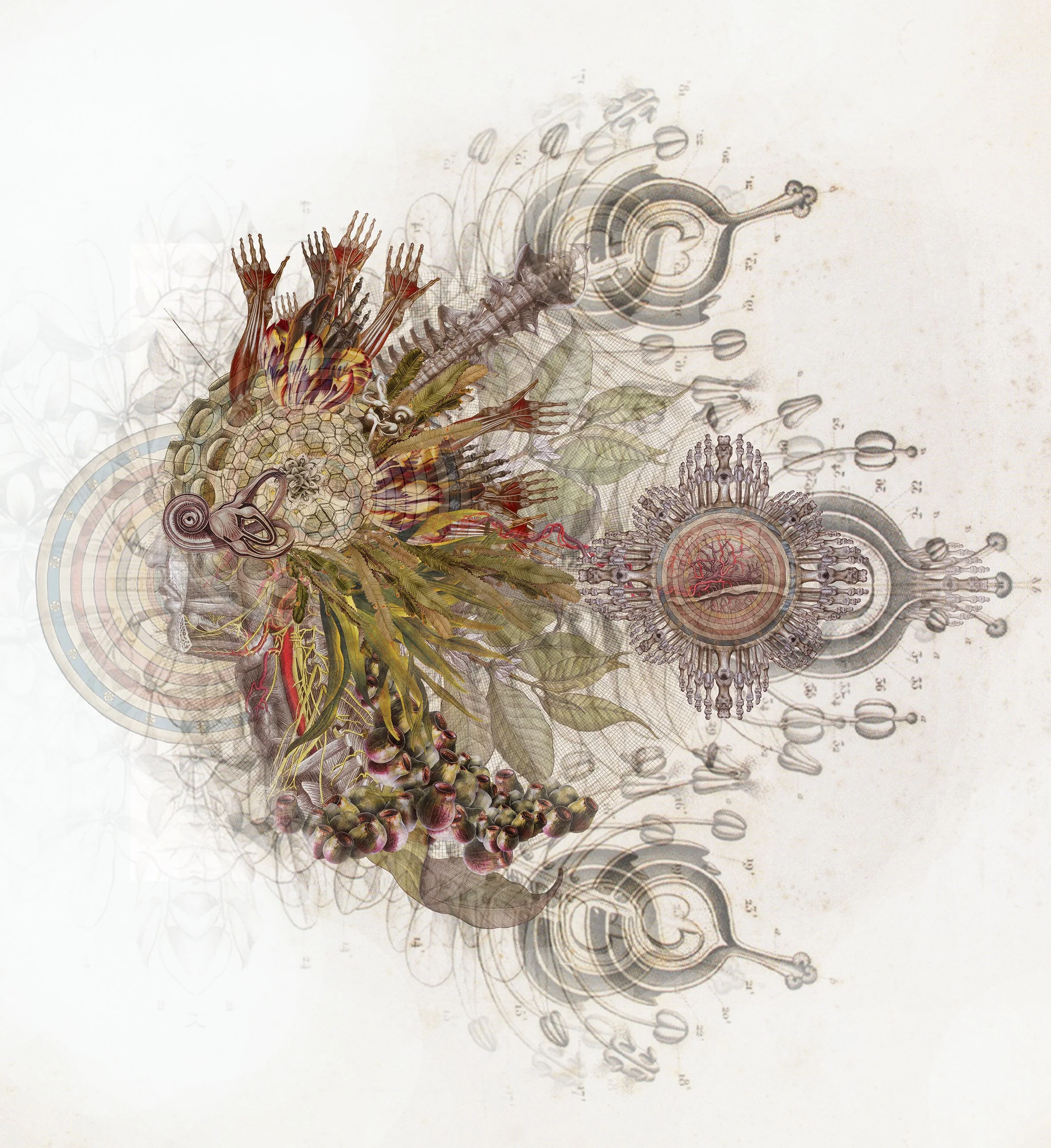
Lina Kusaite is an illustrator, eco-artist, and art coach based in Brussels, Belgium. Her professional path has been shaped by a unique combination of post-Soviet, Dutch, and French education systems in the fields of Arts, Fashion, and Textile Design. This diverse background has taught her how to balance and weave different techniques into a practice grounded in strong conceptual development and critical thinking.
Driven by curiosity and a desire to better understand the complexity of the world, Lina moved to Brussels in 2001, where she joined the transdisciplinary laboratory and research group FoAM. Over ten years of collaborative work, she assumed a wide range of roles, including experimental textile designer, production and office manager, illustrator, concept artist for game design, permaculture garden designer, and workshop facilitator. During this period, her artistic focus gradually shifted toward ecological systems, direct observation, and hands-on engagement with living environments.
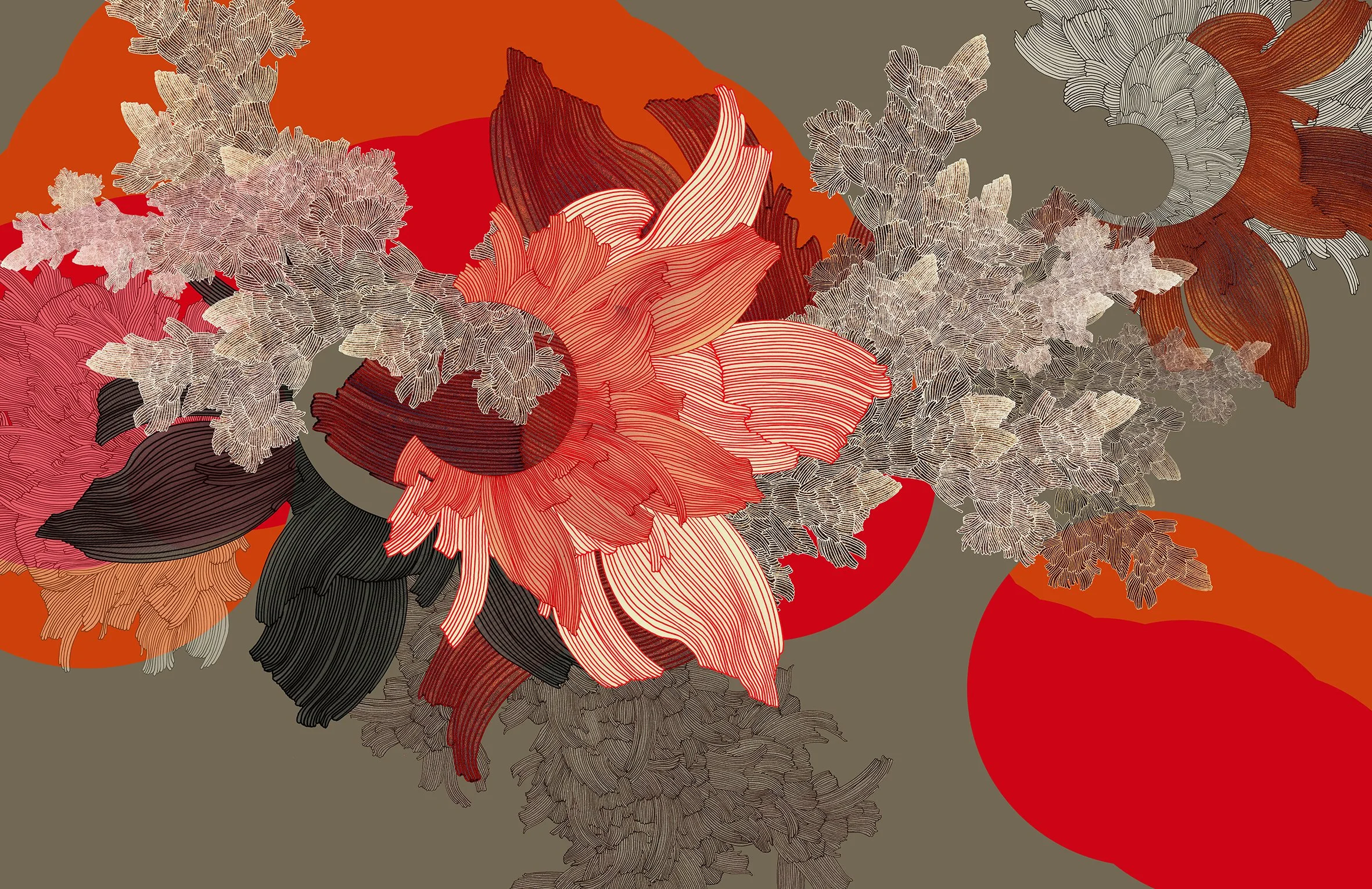
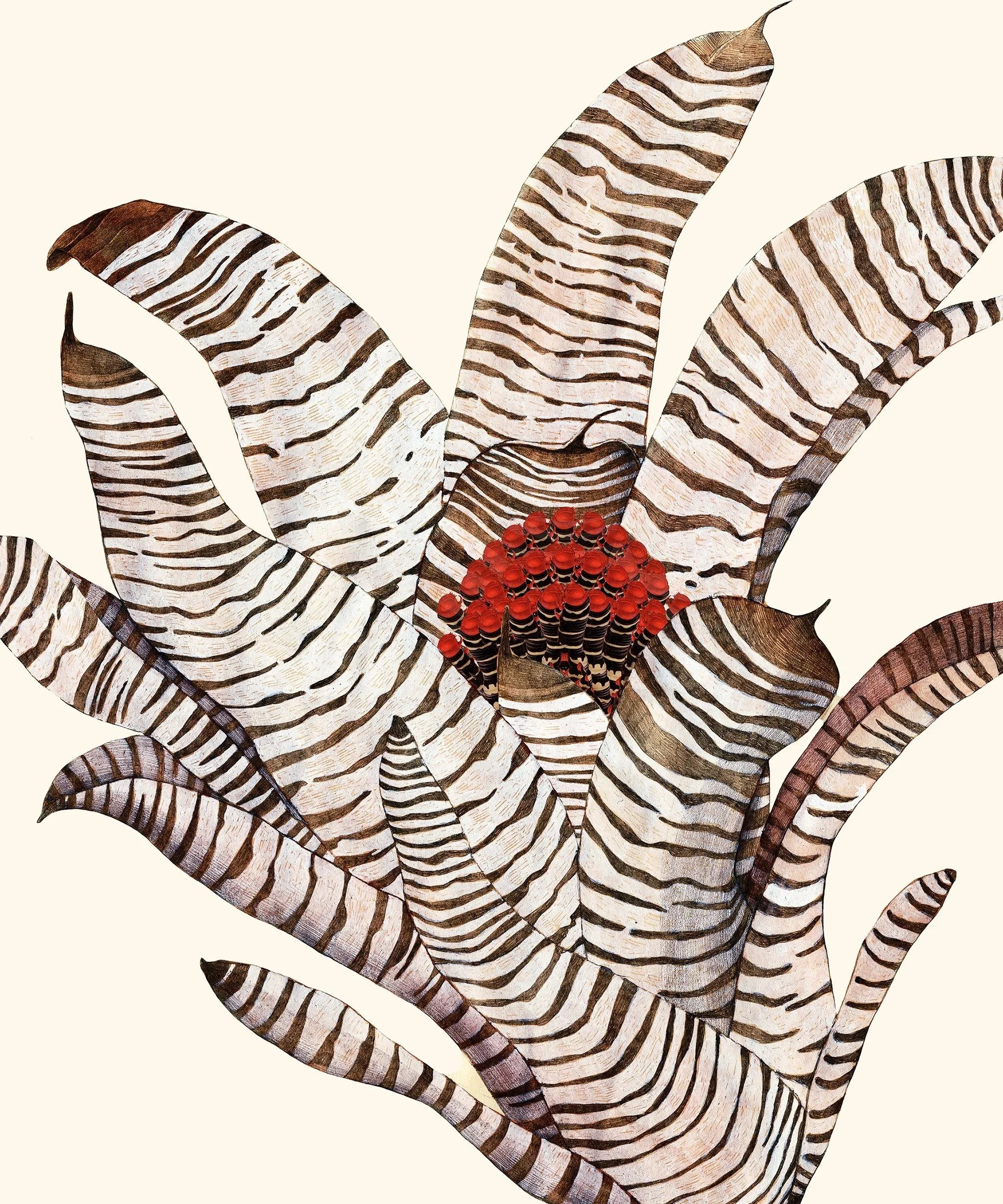
Magnolia. Posca, photoshop, 250 x 300 cm, 2022.
Throughout these years, drawing remained a constant. Lina’s illustrations have been published internationally in books, editorials, computer games, and exhibited in cultural institutions worldwide. In 2014, her work was selected for display on Times Square, New York, as part of the see.me program. Her awards include second place for Best Illustrator at the Moonbeam Children’s Book Awards (2016), a Gold Medal in the Book Illustration category at the iJungle Illustration Awards (2019), and a Merit Award at the 8th Hiii Illustration International Competition (2020).
Since 2012, Lina has been creating and organizing workshops that explore the relationship between humans and the plant world, art, and ecological awareness. Her most prominent workshop, Plant Kingdom, was initially supported by Citymine(d) and Espace Senghor in Brussels. In 2014 and 2015, with the support of local Brussels governments, the workshop was presented in schools, cultural centres, libraries, and community spaces, and later adapted into Mobile Plant Kingdom for a children’s art school in Oaxaca, Mexico. These workshops have been invited to and presented at various international conferences. Her more recent workshop, Plant & Play, continues to travel to academies, cultural centres, and educational contexts across Europe.
Since 2019, Lina has collaborated with companies and institutions as an illustrator for interior design projects. Her large-scale botanical murals can be found in restaurants, hotels, and private residences in cities such as Atlanta, Los Angeles, Shenzhen, Beijing, and Rotterdam. On 25 November 2023, the Secrétariat du Prix Versailles announced that Hotel Xitan in Beijing where Lina created ten original artworks was designated one of the 18 New World’s Most Beautiful Hotels by the Selection Committee of the Prix Versailles, the World Architecture and Design Award at UNESCO.
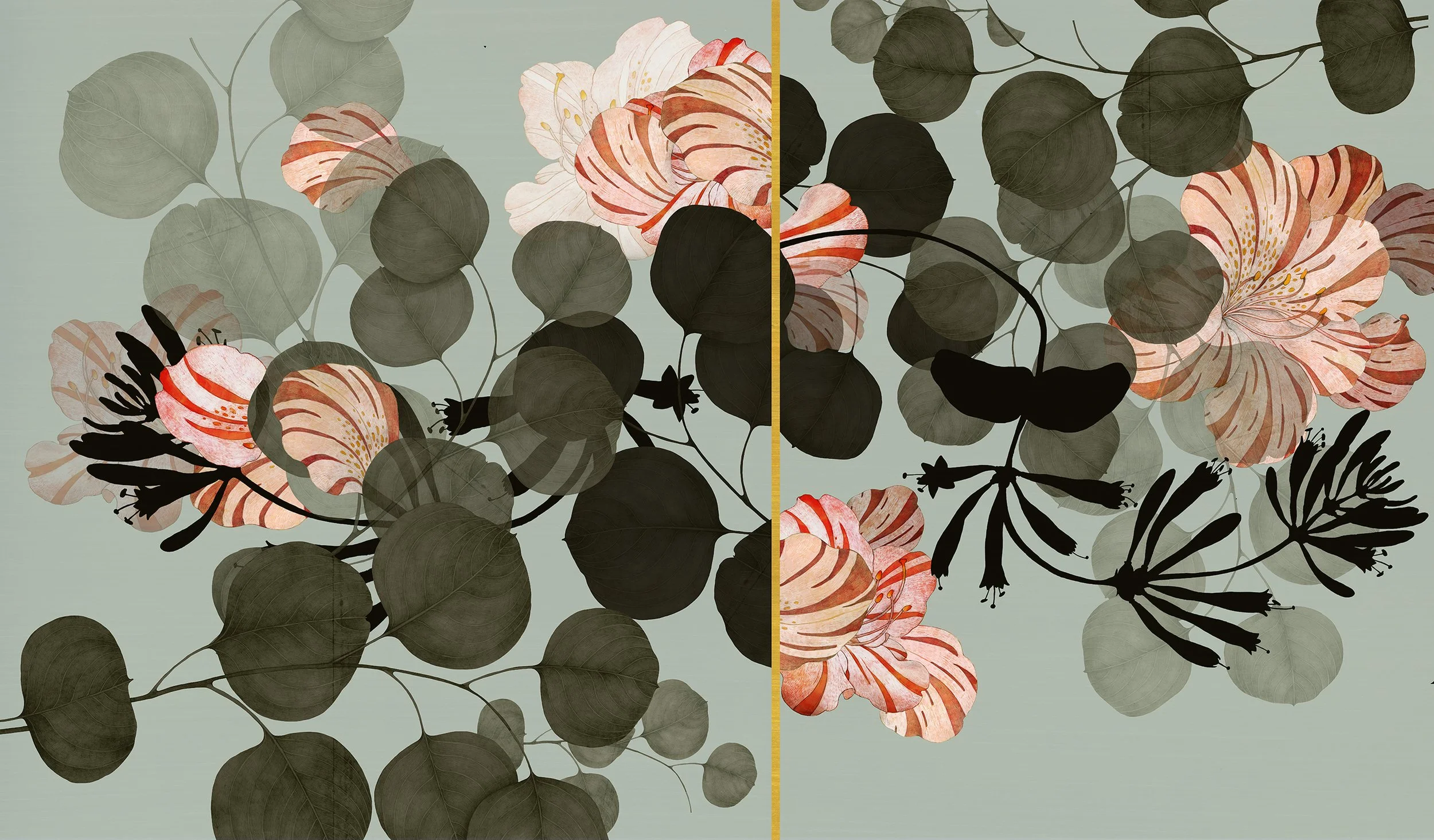
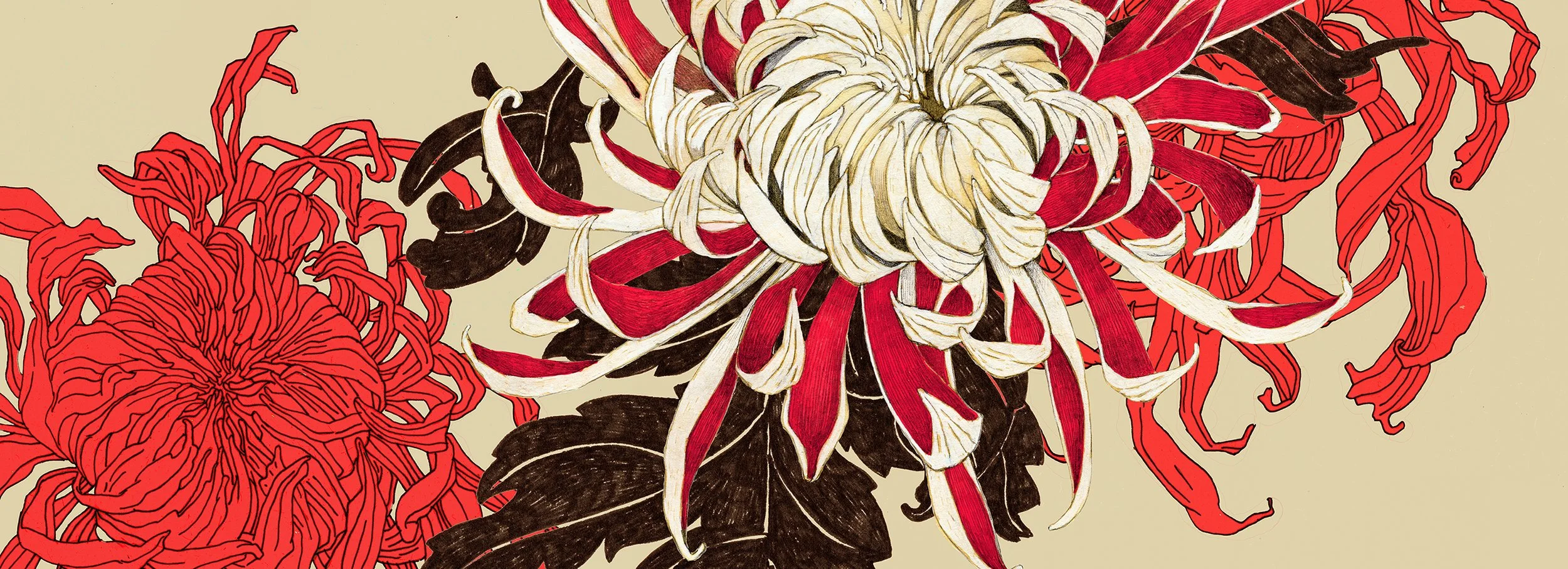
Azalea. watercolour, pencil, photoshop, 300 x 600 cm, 2024.
In parallel with her artistic practice, Lina is actively involved in education. Since 2020, she has been leading the course Uncomfortable Creativity for Master’s students in Fashion Design at the Vilnius Academy of Arts in Lithuania, encouraging critical thinking, experimentation, and ecological awareness within creative processes.
In 2023 and 2024, Lina collaborated as an editorial illustrator on two major environmental research projects, contributing to publications for the IPBES Assessment (Intergovernmental Science Policy Platform on Biodiversity and Ecosystem Services) and BIONEXT, a research and innovation project dedicated to the protection of nature and biodiversity. These collaborations reflect her ongoing commitment to using visual language as a bridge between scientific knowledge, artistic practice, and public understanding.
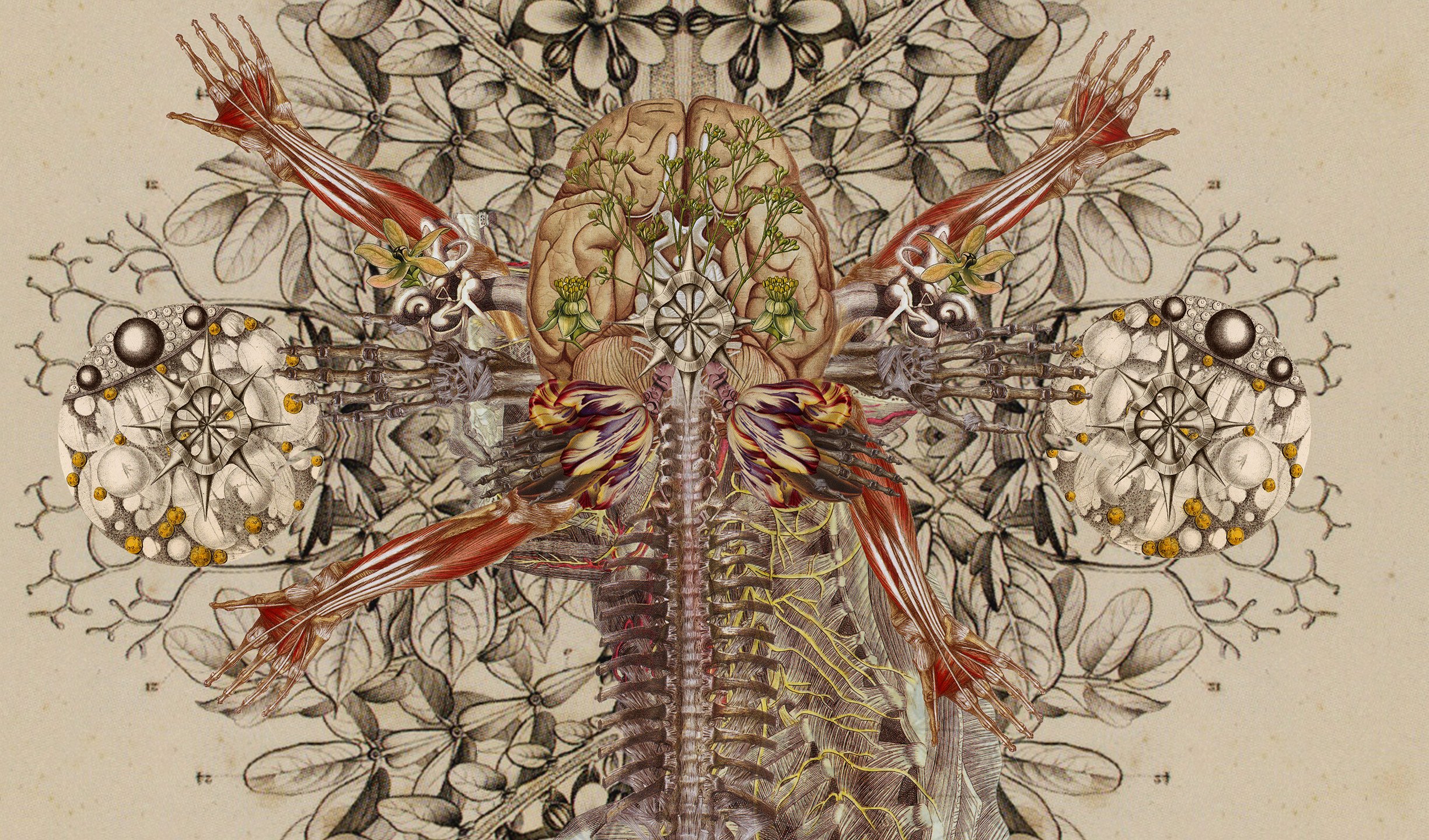
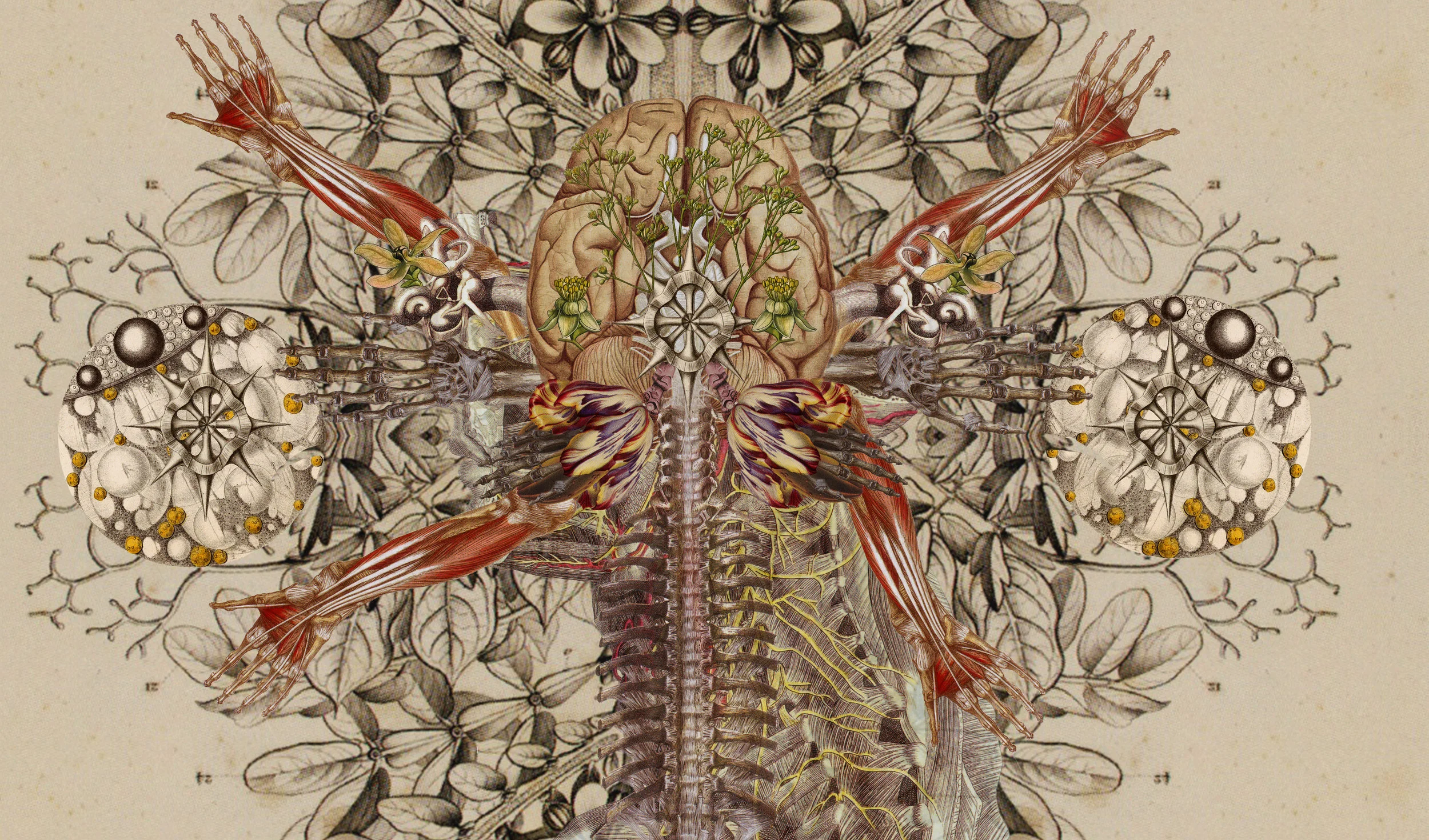
Alternatives. Collage, photoshop, 24 x 42 cm, 2017.